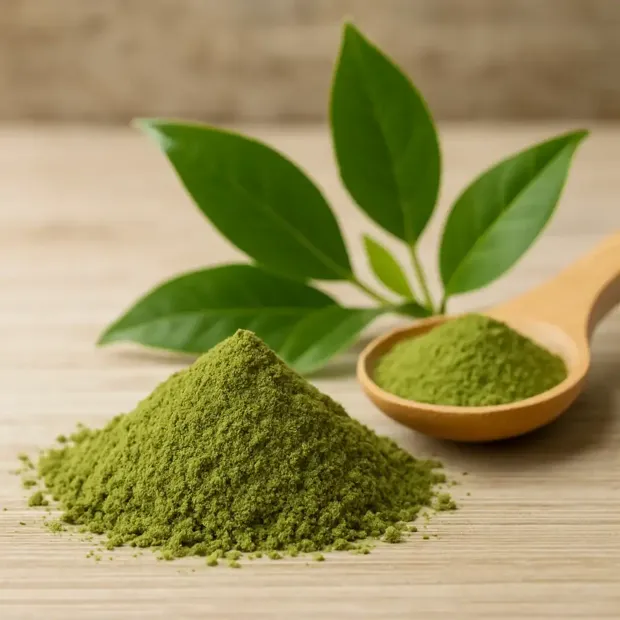
🍵 Green Tea: More Than Just a Beverage
Green tea (Camellia sinensis) has been consumed for over 4,000 years, originating in China and spreading throughout Asia before becoming one of the most popular beverages worldwide. While it's well-known for its general health benefits, green tea's specific effects on lung health are remarkably powerful — and backed by an impressive body of scientific evidence. 📊
The secret lies in green tea's exceptionally high concentration of catechins — a type of polyphenol antioxidant. The most abundant and potent of these is EGCG (epigallocatechin gallate), which makes up about 50-80% of green tea's total catechin content. EGCG has been the subject of over 17,000 published studies on PubMed, making it one of the most researched natural compounds in existence. 🔬
🛡️ How EGCG Protects Your Lungs
Your lungs face a unique oxidative challenge. They're the only internal organ directly exposed to the outside environment, processing over 11,000 liters of air daily — along with all the pollutants, toxins, and free radicals that air carries. This constant oxidative bombardment damages lung cells, accelerates respiratory aging, and contributes to chronic inflammation. 😤
EGCG combats this damage through several sophisticated mechanisms:
- 🧬 Direct Free Radical Scavenging: EGCG neutralizes reactive oxygen species (ROS) and reactive nitrogen species (RNS) before they can damage lung cell membranes, DNA, and proteins
- 🔋 Antioxidant Enzyme Activation: EGCG stimulates your body's production of endogenous antioxidant enzymes — superoxide dismutase (SOD), catalase, and glutathione peroxidase — amplifying your lungs' own defense systems
- 🔥 NF-kB Pathway Modulation: EGCG helps regulate the NF-kB inflammatory pathway, reducing the production of pro-inflammatory cytokines that drive chronic airway inflammation
- 🛡️ Nrf2 Pathway Activation: This "master switch" of antioxidant defense is activated by EGCG, upregulating dozens of protective genes in lung tissue simultaneously
A large-scale study published in the European Respiratory Journal found that people who regularly consumed green tea had significantly better lung function (as measured by FEV1 and FVC) compared to non-tea drinkers — even after adjusting for smoking status and other variables. The World Health Organization has recognized the role of antioxidant-rich diets in supporting respiratory health. 📈
🔥 Anti-Inflammatory Effects on Airways
Chronic airway inflammation is a driving force behind many respiratory complaints — from everyday congestion to long-term breathing difficulties. Green tea catechins, particularly EGCG, have demonstrated potent anti-inflammatory effects specifically in respiratory tissue:
- EGCG reduces eosinophil infiltration in airways — eosinophils are immune cells that drive allergic airway inflammation 🧫
- It inhibits the release of histamine from mast cells, reducing allergic respiratory responses 🤧
- Green tea catechins reduce levels of MMP-9, an enzyme that can damage lung tissue when produced in excess 🔬
- EGCG supports the production of anti-inflammatory cytokines, helping balance the immune response 🧘
This anti-inflammatory action complements other respiratory-supporting ingredients beautifully. In BreathiZen, green tea extract works alongside ginger root (another powerful anti-inflammatory) and mullein leaf (which soothes irritated respiratory tissues) for comprehensive airway comfort. 🎯
🦠 Immune Support for Respiratory Defense
Your respiratory tract is the front line of your body's defense against airborne pathogens. Green tea catechins support this defense in several ways:
- 🛡️ Antiviral Activity: EGCG has been shown to inhibit viral replication by preventing virus particles from binding to host cells — particularly relevant for respiratory viruses
- 💪 Antimicrobial Effects: Green tea catechins exhibit antibacterial activity against several respiratory pathogens
- 🧬 Immune Cell Enhancement: EGCG supports the function of T-cells, NK cells, and macrophages — key immune cells that patrol your airways
According to research indexed on PubMed, regular green tea consumption is associated with a 32% reduced risk of respiratory infections. 📊
💊 Green Tea Extract vs. Drinking Green Tea
While drinking green tea is beneficial, there's a significant difference between sipping a cup of tea and taking a concentrated extract:
- 🍵 One cup of green tea contains approximately 50-100mg of EGCG
- 💊 A quality green tea extract supplement provides 200-500mg of standardized EGCG per dose
- ⚡ You'd need to drink 5-10 cups of green tea daily to match the EGCG in a concentrated extract
BreathiZen's sublingual delivery of green tea extract further enhances bioavailability. By bypassing the digestive system, more EGCG reaches your bloodstream intact and available to protect your lung tissue. Combined with six other respiratory-supporting ingredients — including lemon extract for additional vitamin C and antioxidant support — BreathiZen provides comprehensive lung protection. See all seven ingredients. 🌿
📋 Maximizing Green Tea's Lung Benefits
- 🌅 Take BreathiZen (with its concentrated green tea extract) each morning for consistent antioxidant protection throughout the day
- 🍵 Supplement with 2-3 cups of brewed green tea for additional benefits and hydration
- 🥗 Pair with vitamin C-rich foods (citrus, bell peppers, berries) — vitamin C regenerates spent antioxidants, extending their protective effects
- 🚭 Avoid smoking and minimize exposure to air pollution to reduce the oxidative load on your lungs
- 🏃 Exercise regularly — physical activity increases blood flow to lung tissue, helping deliver more antioxidants where they're needed
- 🏠 Improve your indoor air quality to reduce the baseline oxidative stress your lungs face daily
🫁 Ready to Breathe Better?
Join 143,000+ people who transformed their respiratory health with BreathiZen's 7 plant-powered ingredients. Fast-acting sublingual spray, 60-day money-back guarantee.
🛒 Try BreathiZen Risk-Free →📦 Free Shipping · 🛡️ 60-Day Guarantee · 🇺🇸 Made in USA

Our team of health researchers and writers are dedicated to providing accurate, evidence-based information about respiratory health and natural wellness. All content is reviewed for accuracy.